climate resilience
WHY IT MATTERS
Climate change presents significant challenges for cocoa-producing regions. Changes in rainfall patterns, temperatures and extreme weather events may affect cocoa production, farming livelihoods and ecosystem health.
Understanding climate-related risks and strengthening resilience are therefore important elements of long-term sustainability.
OUR APPROACH
Transparence Cacao promotes a progressive approach to climate resilience combining risk assessment, adaptation planning and continuous improvement.
Participating origins are encouraged to assess climate-related risks and vulnerabilities and to develop locally relevant resilience strategies. The programme also supports the progressive development of carbon footprint assessments in order to improve understanding of the environmental profile of cocoa production systems.
Climate-related priorities are integrated into broader environmental action plans and adapted to local conditions.
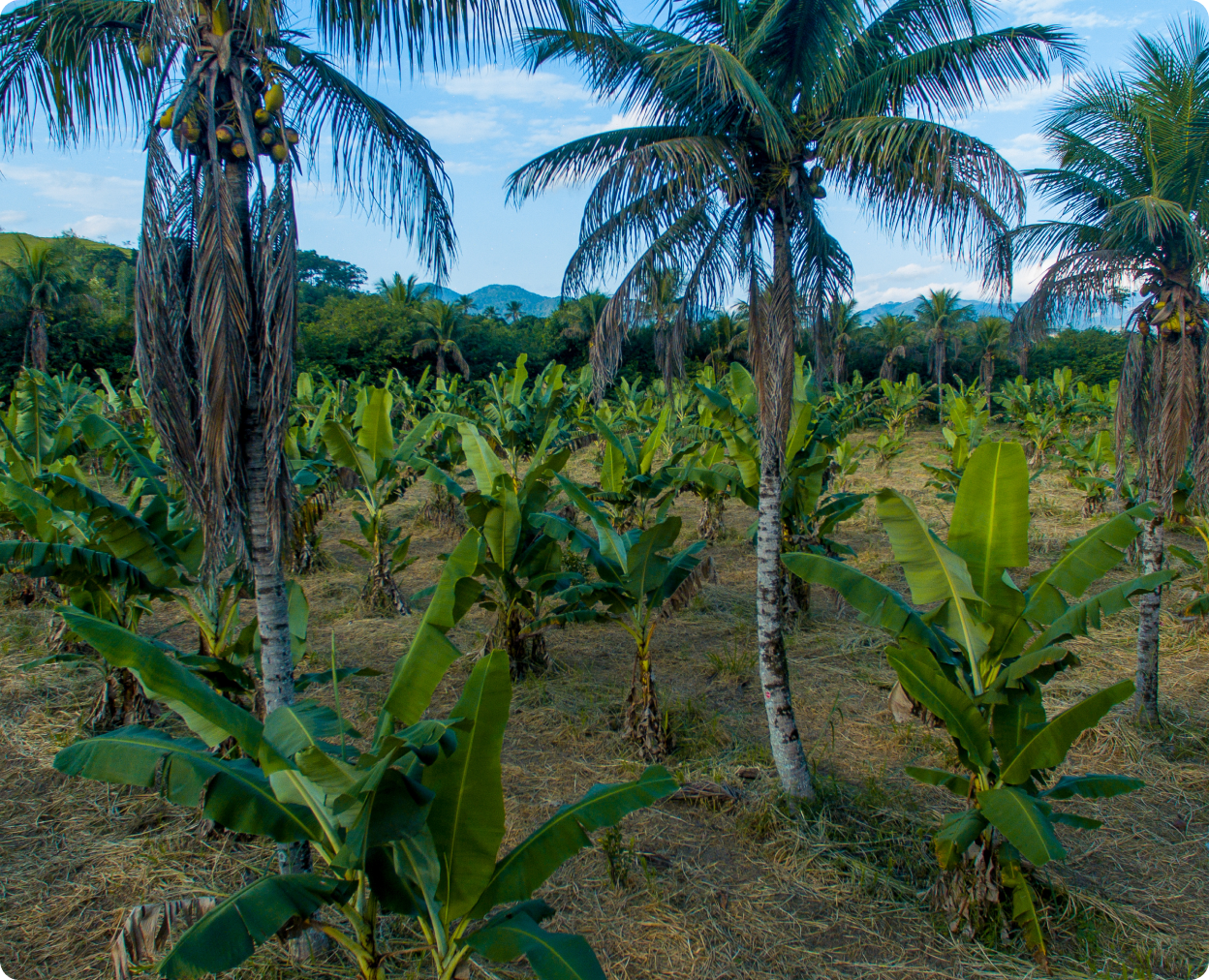
Participating origins are encouraged to assess climate-related risks and vulnerabilities and to develop locally relevant resilience strategies. The programme also supports the progressive development of carbon footprint assessments in order to improve understanding of the environmental profile of cocoa production systems.
Climate-related priorities are integrated into broader environmental action plans and adapted to local conditions.

Understanding climate-related risks and strengthening resilience are elements of long-term sustainability.
OUR LONG
TERM AMBITIONS
2030
Transparence Cacao aims to improve the availability of climate-related information across participating origins and strengthen the resilience of cocoa farming systems through locally adapted measures.
The programme also seeks to progressively improve understanding of greenhouse gas emissions associated with cocoa production and identify opportunities for continuous reduction of these emissions.
100%
of farmers sensitized to Climate-Smart Cocoa practices
2025 INDICATORS
6
origins covered by climate-risk assessments
5
origins with cocoa carbon footprint assessments completed
1
origin with cocoa carbon footprint assessment ongoing
in practice
Developing climate data and carbon footprint assessments
Transparence Cacao has launched carbon footprint assessments across sourcing origins to build a better understanding of greenhouse gas emissions associated with cocoa production systems and to inform future improvement plans.
Participating in the Karidja landscape initiative
In 2025, Transparence Cacao joined the Karidja forest restoration initiative in Côte d’Ivoire. The first phase focuses on baseline assessments, mapping cocoa dynamics, evaluating agroforestry models and calculating carbon stocks to support long-term climate resilience planning.
Based on baseline learning, the objectives and scope of the project will be defined in the coming years.