
latin america
WHY IT MATTERS
Latin America is home to diverse cocoa-growing landscapes and long-established producer organisations. These origins represent unique cocoa traditions, locally adapted production systems and important agricultural biodiversity.
OUR APPROACH
Transparence Cacao works through long-term partnerships with producer organisations across Latin America to support resilient farming systems, agroecological approaches and continuous improvement initiatives adapted to local conditions.
Particular emphasis is placed on agroforestry, farm renovation, soil health and biodiversity-related activities.
Particular emphasis is placed on agroforestry, farm renovation, soil health and biodiversity-related activities.
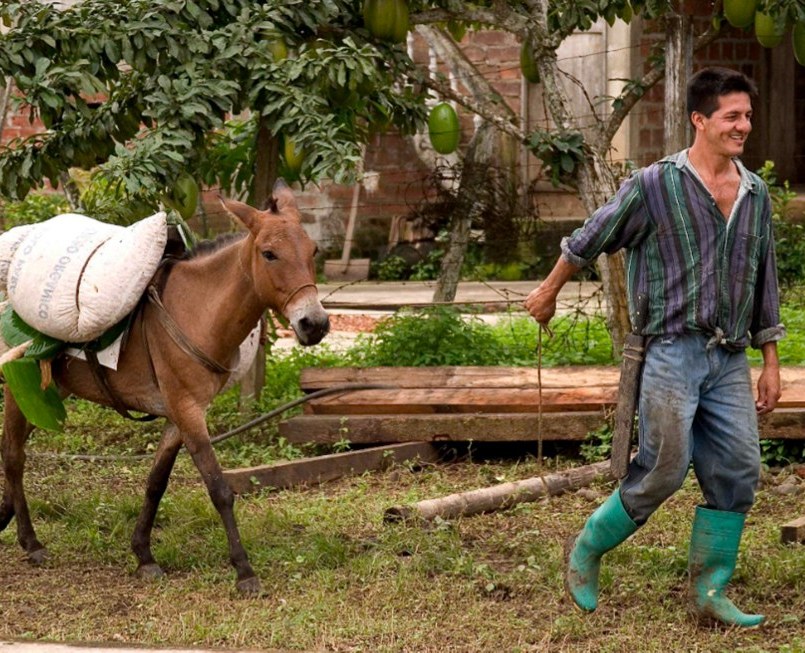

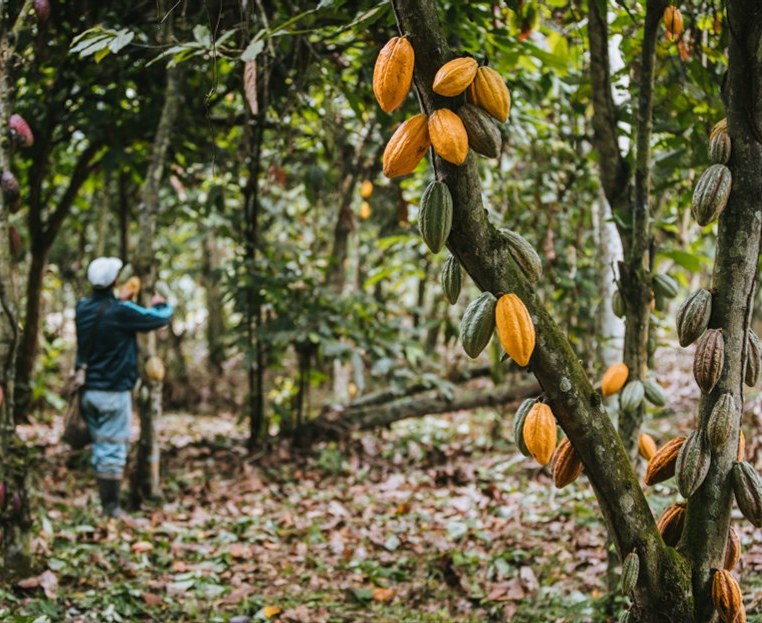
Latin America is home to diverse cocoa-growing landscapes and long-established producer organisations.
OUR LONG
TERM AMBITIONS
The programme aims to strengthen farmer resilience, support farm renovation and encourage the continued development of agroecological and agroforestry systems adapted to local contexts.
2025 INDICATORS
4
origins: Ecuador, Peru, Dominican Republic, Colombia
15
partner cooperatives
20 years
of history with partner cooperatives
in practice
Ecuador, Peru and Dominican Republic: long-term partnerships rooted in origin diversity
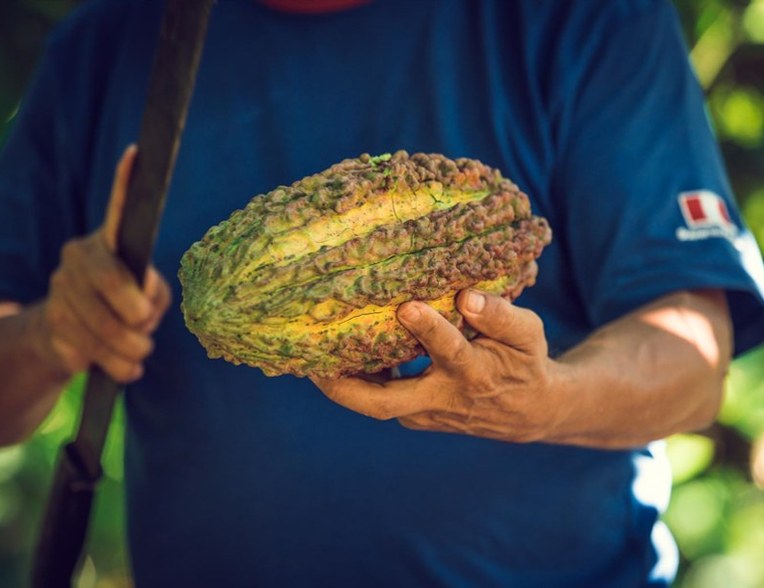
Transparence Cacao’s Latin American origins combine long-term partnerships in Ecuador, Peru and the Dominican Republic, each reflecting distinct cocoa traditions and production systems. In Ecuador, activities have supported the preservation of the traditional Nacional cocoa variety, while in Peru and the Dominican Republic, the programme has focused on strengthening agroforestry systems, farm renovation and locally adapted production models.
Today, these partnerships involve more than 2,400 farmers, and 83% of cocoa sourcing across the programme’s mature origins is produced under agroforestry systems.
In 2025, 523 hectares of farms were renovated in Peru and Ecuador, 49,344 grafted cocoa plants were distributed, and 35,183 seedlings were provided to farmers in the Dominican Republic through renovation programmes designed to support the long-term viability of cocoa production.
Transparency and traceability are central to all three origins. 100% of participating farm boundaries have been georeferenced and digitalised, and sourcing areas are subject to legality and deforestation-risk verification processes supporting zero-deforestation commitments and regulatory compliance.
Today, these partnerships involve more than 2,400 farmers, and 83% of cocoa sourcing across the programme’s mature origins is produced under agroforestry systems.
In 2025, 523 hectares of farms were renovated in Peru and Ecuador, 49,344 grafted cocoa plants were distributed, and 35,183 seedlings were provided to farmers in the Dominican Republic through renovation programmes designed to support the long-term viability of cocoa production.
Transparency and traceability are central to all three origins. 100% of participating farm boundaries have been georeferenced and digitalised, and sourcing areas are subject to legality and deforestation-risk verification processes supporting zero-deforestation commitments and regulatory compliance.
Colombia: a new origin
Colombia joined Transparence Cacao in 2026 as the programme’s newest sourcing origin. The origin was selected for its cocoa-growing heritage, strong producer organisations and the opportunity to develop long-term partnerships with farmers.
Work on the ground combines traceability, biodiversity conservation and producer organisation strengthening while adapting implementation to local realities.
Recent activities have included participatory biodiversity monitoring, conservation-area identification and collaboration between producer organisations. Biodiversity monitoring carried out on pilot farms recorded 173 bird species and 47 terrestrial mammal and bird species, helping strengthen knowledge of cocoa-producing landscapes.
Work on the ground combines traceability, biodiversity conservation and producer organisation strengthening while adapting implementation to local realities.
Recent activities have included participatory biodiversity monitoring, conservation-area identification and collaboration between producer organisations. Biodiversity monitoring carried out on pilot farms recorded 173 bird species and 47 terrestrial mammal and bird species, helping strengthen knowledge of cocoa-producing landscapes.