
west & central africa
WHY IT MATTERS
West Africa plays a central role in global cocoa production and represents an important sourcing region for Transparence Cacao. The region combines significant opportunities for farmer development with environmental and social challenges that require long-term engagement and locally adapted approaches.
OUR APPROACH
Transparence Cacao works with producer organisations, farmers and local implementation structures across West Africa to strengthen traceability, support resilient farming systems and encourage community-led development initiatives.
Activities focus on long-term farmer engagement, agroforestry, human rights, community resilience and environmental stewardship.
Activities focus on long-term farmer engagement, agroforestry, human rights, community resilience and environmental stewardship.
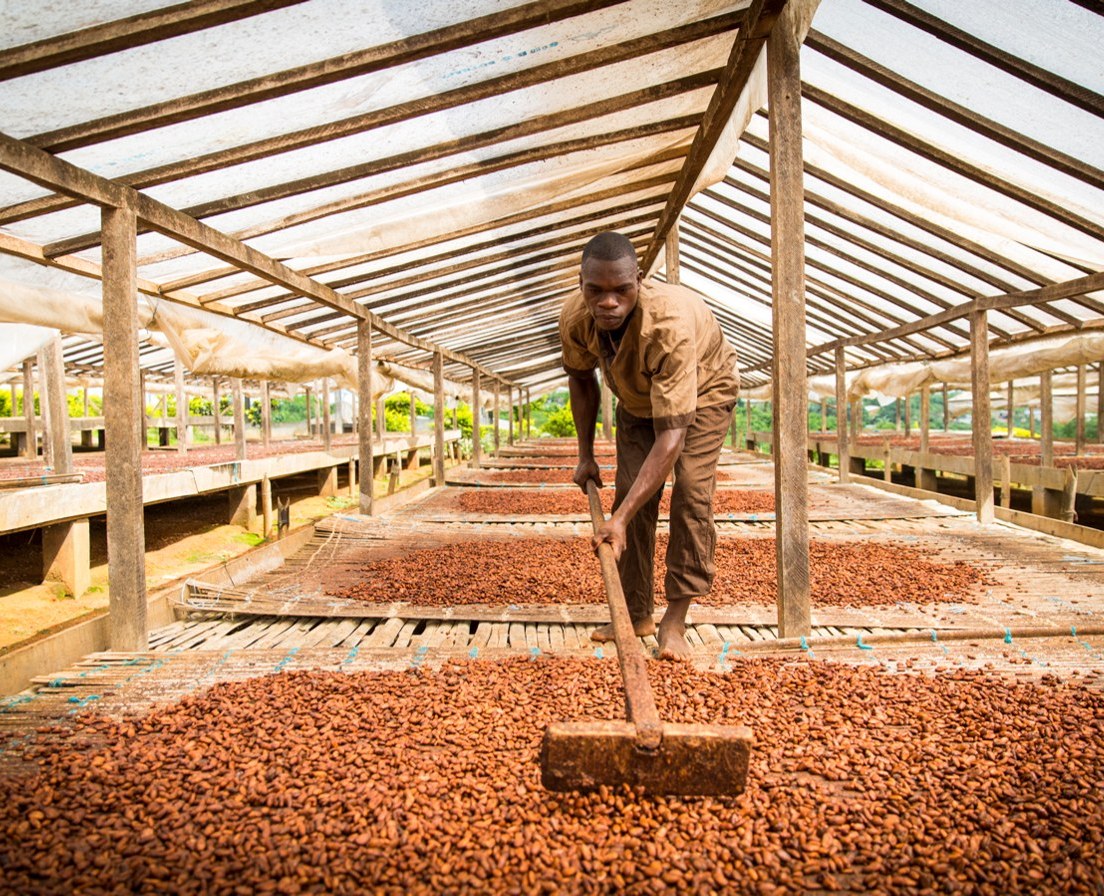

West Africa plays a central role in global cocoa production.
OUR LONG
TERM AMBITIONS
The programme aims to continue strengthening locally anchored implementation models, expand agroforestry coverage and support resilient farming communities through long-term partnerships and continuous improvement.
2025 INDICATORS
2
origins: Côte d’Ivoire and São Tomé and Príncipe
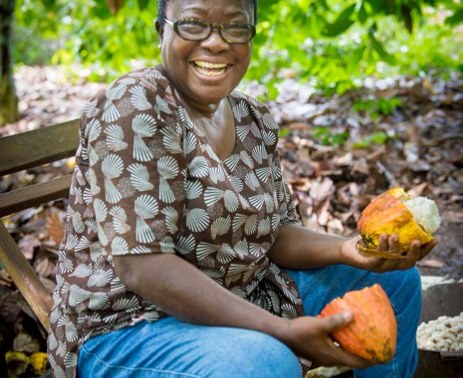
17
partner cooperatives
5
Maisons du planteur
in practice
São Tomé & Príncipe: rebuilding a cocoa origin
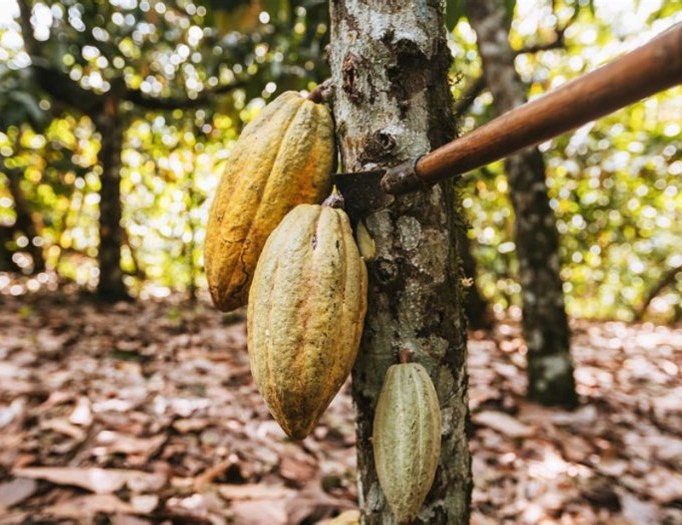
When Transparence Cacao’s partner Kaoka began working in São Tomé & Príncipe in 2001, cocoa production on the island had been declining for many years. Working with local producer groups, the programme supported the creation of the CECAB cooperative in 2005 and the development of post-harvest infrastructure, including fermentation, drying and storage facilities. Today, the cooperative brings together more than 3,100 farmers.
Cocoa is traditionally cultivated within diversified agroforestry systems, where cocoa trees coexist with food and shade species. To support the long-term viability of cocoa production, plantation renovation activities have been implemented since 2012, including the distribution of locally adapted planting material. Since 2018, more than 86,000 Amelonado cocoa trees have been distributed to partner farmers.
Today, 100% of participating farm boundaries are georeferenced and digitalised, supporting traceability and transparency. More recently, agroforestry renovation activities have also integrated 18,000 shade trees across 17 species within cocoa-growing landscapes.
Cocoa is traditionally cultivated within diversified agroforestry systems, where cocoa trees coexist with food and shade species. To support the long-term viability of cocoa production, plantation renovation activities have been implemented since 2012, including the distribution of locally adapted planting material. Since 2018, more than 86,000 Amelonado cocoa trees have been distributed to partner farmers.
Today, 100% of participating farm boundaries are georeferenced and digitalised, supporting traceability and transparency. More recently, agroforestry renovation activities have also integrated 18,000 shade trees across 17 species within cocoa-growing landscapes.
Côte d’Ivoire: long-term local engagement
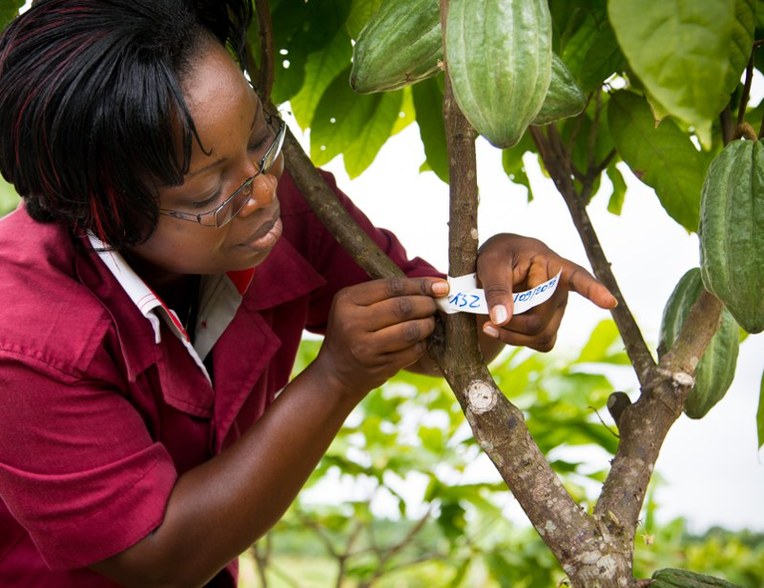
As the largest sourcing origin of Transparence Cacao, Côte d’Ivoire benefits from a long-standing local presence of Cémoi Côte d’Ivoire. Through producer organisations, field teams, Maison du Planteur centres and community sustainability committees, the programme combines traceability, farmer support, agroforestry, human rights initiatives and community development.
Since 2018, agroforestry has been a core component of the programme, supported by a dedicated field guide and initiatives such as COCOPERATION, the RVO-supported child labour programme and CACAO FOREST. All participating farms are georeferenced and integrated into digital traceability systems.
Today, more than 30 local staff support programme implementation across the country, leading to increasing farmer participation in agroforestry-related activities, and to dozens of community-led projects implemented through Maison du Planteur centres.
Since 2018, agroforestry has been a core component of the programme, supported by a dedicated field guide and initiatives such as COCOPERATION, the RVO-supported child labour programme and CACAO FOREST. All participating farms are georeferenced and integrated into digital traceability systems.
Today, more than 30 local staff support programme implementation across the country, leading to increasing farmer participation in agroforestry-related activities, and to dozens of community-led projects implemented through Maison du Planteur centres.